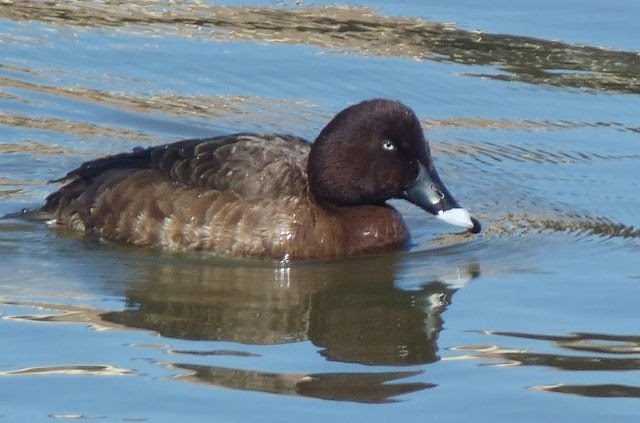
Wednesday, March 26, 2014

March 2014

Notes on birds March 2014

The most exciting sighting this month was a Red-kneed Dotterel  ...
..  on a farm dam on the Hoskinstown Plain.  This was an addition to the list for the project, which now stands at 185 species seen since February 2007.  Any anatomists amongst you should note that the red element of the leg is actually equivalent to the human ankle (note the way it bends).
As suggested in my previous column White-throated Needletail Swifts appeared on 15 March (but not bringing rain).  There have been a number of interesting ‘repeat offenders’.  Rufous Fantail turned up at Whiskers Creek;  a male Red-capped Robin turned up on Wanna-Wanna Rd and the Powerful Owl has continued to be heard in that area.  A Southern Boobook was observed in that area early one morning.

We scored about 5 species less than in March 2014 but only 1 less than for February 2013 but are well above the 5 year average for March.
Autumn migration is starting up with small (an un-small flock of about 100 birds - mainly Yellow-faced but including some White-naped - was reported on April 1 from the Plain ) flocks of Honeyeaters and Silvereyes moving through.
Most dam’s water levels have improved in the last few weeks (and it’s raining as I type) so hopefully waterbirds will return.  Please advise any interesting sightings to me at martinflab@gmail.com.


I have recently done a bit of updating of my links to photographs.  They now cover 85 of 185 species.  I will try to do a bit more updating in the near future, as I am sure I have images of some of the MIAs.


2 Birds of Prey:  Black-shouldered Kite;  Brown Goshawk; Wedge-tailed Eagle; Little Eagle; Nankeen KestrelBrown FalconAustralian Hobby; Peregrine Falcon.

4 Kingfishers and other non-songbirds:  Stubble Quail; Common Bronzewing; Crested Pigeon; Tawny Frogmouth; White-throated Needletail; Southern Boobook;Powerful Owl; Laughing Kookaburra;

5 Honeyeaters: Eastern Spinebill; Yellow-faced HoneyeaterWhite-eared Honeyeater;  Noisy MinerRed Wattlebird; New Holland Honeyeater; White-naped Honeyeater.

6 Flycatchers and similar speciesGolden Whistler;Rufous WhistlerGrey Shrike-thrush; Rufous Fantail; Grey FantailWillieWagtailLeaden Flycatcher; Magpie-lark; Scarlet RobinRed‑capped RobinFlame Robin; Eastern Yellow Robin; Welcome SwallowTree Martin

7 Thornbills, Finches and similar species:  Superb Fairy-wrenWhite-browed Scrubwren; Weebill; White-throated GerygoneStriated Thornbill; Yellow Thornbill; Yellow‑rumped Thornbill; Buff‑rumped Thornbill; Brown Thornbill; Spotted Pardalote; Striated Pardalote; Silvereye;  Double‑barred FinchRed‑browed Finch; Diamond Firetail; House Sparrow; European Goldfinch

8 Other, smaller birds:  White-throated Treecreeper;  Black-faced Cuckoo-shrike;  Dusky Woodswallow; Golden-headed Cisticola; Common Blackbird; Common Myna; Common Starling; Mistletoebird; Australasian  Pipit;

9  Other, larger birds:Grey Butcherbird; Australian MagpiePied CurrawongGrey Currawong; Australian Raven; Little Raven; White-winged Chough

Wednesday, March 5, 2014

Febuary 2014

This short month featured some welcome rain and cooler weather. Many dams seemed to be approaching dry before the welcome rains around 23 February.  Water levels have improved since then so hopefully waterbirds will return.  Any time storms pass in the next couple of months Swifts are possible travelling on the fronts, and I’d be interested to hear about them if seen.

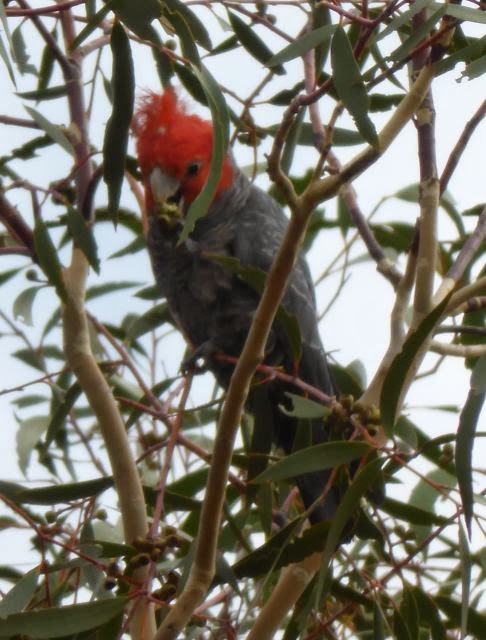
Before getting on to bird sightings this month I will mention a COG project surveying Gang-gangs in the COG area generally, which includes the Gazette catchment.
If you see any Gang-gangs I urge you to report them in this project.

  1. It isn't necessary to be a member of COG to do so.  
  2. Note that when you register you have to wait a short while to get an email confirming registration before you can log your first sighting.

Two particularly exciting observations this month have been:
  • the call of a Powerful Owl at Wanna Wanna Rd (bad news for the possums in that area); and
  • a Rufous Fantail sighted in Radcliffe.  This is the 4th sighting for the project and the first since June 2009. (A note from the future: a member of this species turned up in our garden on 3 March - the first I have seen there.)
The Red-capped Robin previously reported from Whiskers Creek Rd continued to be observed well into February but was not sighted in the last two weeks.  Overall we have recorded 100 species in the month: a few less than January (as is normal) and 12 less than last year - possibly reflecting the dry lead up to the month.
Breeding activity has waned- significantly with only dependent young Rufous Whistlers reported.  (This is similar to last year, but lower activity than the previous 2 years.)

Autumn migration should be just about starting up.  Possibly a flock of 200+ Little Ravens in a lucerne paddock and 51 Swallows on a wire indicate that!  Reports to the COG chatline suggest Yellow-faced Honeyeaters are on the month, and perhaps the Rufous fantails indicate birds are moving out of the high country.

 Thanks to observers in the Hoskinstown Plain, Radcliffe, Pony Place, Wanna Wanna, and Widgiewa Rds.  Keep them coming people, by email to martinflab@gmail.com!  Thanks also to other property owners who have observation on their land.


2 Birds of Prey:  Brown Goshawk; Collared Sparrowhawk; Wedge-tailed Eagle; Little Eagle; Nankeen KestrelBrown FalconAustralian Hobby.

3 Parrots and Relatives:  Yellow-tailed Black-cockatoo;Gang‑gang CockatooGalah;  Little Corella;  Sulphur‑crested CockatooCrimson Rosella; Eastern Rosella; Red-rumped parrot
4 Kingfishers and other non-songbirds: Stubble Quail; Common Bronzewing; Crested Pigeon; Tawny Frogmouth Eastern Barn Owl; Powerful Owl;Laughing Kookaburra; Sacred Kingfisher.

5 Honeyeaters: Eastern Spinebill; Yellow-faced HoneyeaterWhite-eared Honeyeater; Fuscous Honeyeater; White‑plumed Honeyeater; Noisy MinerRed Wattlebird; New Holland Honeyeater; Brown‑headed Honeyeater;  Noisy Friarbird;

6 Flycatchers and similar speciesRufous WhistlerGrey Shrike-thrush; Rufous Fantail; Grey FantailWillieWagtailLeaden Flycatcher;  Magpie-larkScarlet Robin; Red‑capped Robin, Flame Robin; Eastern Yellow Robin; Welcome SwallowFairy Martin; Tree Martin

7 Thornbills, Finches and similar species:  Superb Fairy-wrenWhite-browed Scrubwren; Weebill; White-throated GerygoneStriated Thornbill; Yellow‑rumped Thornbill; Buff‑rumped Thornbill; Brown Thornbill; Spotted Pardalote; Striated Pardalote; Silvereye; Double‑barred FinchRed‑browed Finch; Diamond Firetail; House Sparrow; European Goldfinch

8 Other, smaller birds:  White-throated Treecreeper; Spotted  Quail-thrush; Varied Sitella;Black-faced Cuckoo-shrike; White‑-winged Triller; White‑browed Woodswallow; Dusky Woodswallow; Skylark; Australian Reed-warbler; Common Blackbird; Common Starling; Mistletoebird; Australasian  Pipit;

9  Other, larger birds: Grey Butcherbird; Australian MagpiePied Currawong;Grey Currawong; Australian Raven; Little Raven; White-winged Chough

Monday, February 24, 2014

Bungendore is Dux

On 24 February I needed to go to Bungendore a couple of times, and on the second time remembered to take my bins and camera with me.  I stopped at a couple of spots, labelled in this image ....
to count (mainly) waterbirds.  There were no ducks on the Trucking Yard Lane Dam (just North of the Bungendore Meadow Dam).

In total the birds I counted, in about 10 minutes at the Meadow and 20 minutes looking through the fence at the WTP were as follows.  I have highlighted the more exciting sightings.

Sewage ponds
Bungendore Meadow Dam
Plumed Whistling-Duck
31
Freckled Duck
1
Maned Duck
65
23
Pacific Black Duck
40
16
Australian Shoveler
9
Gray Teal
54
35
Chestnut Teal
6
Pink-eared Duck
7
White-eyed Duck
18
Australasian Grebe
3
Eurasian Coot
2
Masked Lapwing
2
Little Raven
13
This next image gives a bit of context to the Water Treatment Plant observations.
This is a close up of part of the group of Plumed Whistling Ducks (yes I know I have put up many photos of this species, but they are photogenic).
 It is unusual to find them swimming, other than to escape predators.
The haul observed today emphasises the importance of the sewage ponds as a drought refuge.

As a late update, a few days later a local friend reported 41 Whistling Ducks and 10 Pin-ears on these ponds.

Sunday, February 2, 2014

January 2014

What a hot and dry start to a year!  I have posted in my home blog about the alleged weather we have been having.  I suspect my experience, of finding it difficult to get out after about mid-morning on the really hot days, has been shared by other observers (and the birds).  As a result we are 10 species down on December 2013 and 19 down on January 2013.

  • 96 species were recorded in both January 2014 and January 2013.  
  • It is difficult to see a pattern in  the 10 'extras' for 2014 (ie species found in 2014 but not in 2013) other than that none of them are common birds.
  • Of the 29 species found in 2013, but not found this year, again, none are common (except 'my' Tawny Frogmouths which have not been recorded since Christmas).  12 are associated with wet places and most of those were on the now bone-dry swamp in the Plain. A further 6 are raptor species, possibly indicating that prey (other than grasshoppers) is scarce.
The Painted Honeyeaters have continued to hang around in Hoskinstown, while those along the Murrumbidgee have disappeared.  The most exciting bird this month has been the appearance of Red-capped Robins in our garden.  At least two birds were present and they are celebrated in a separate post.

(On the topic of separate posts I have completed the Annual Report for 2013 and it starts in this post.)

9 species have been observed in the month with dependent young.  This is similar to 2013, but about half the number of species seen breeding in January in 2010 and 2011.  They are shown in red below.

Thanks to observers in Hoskinstown, the Hoskinstown Plain, Pony Place, Wanna Wanna and Widgiewa Rds.  Keep them coming people, by email to martinflab@gmail.com!  Thanks also to other property owners who have observation on their land.


2 Birds of Prey:  Black-shouldered Kite; Brown Goshawk; Wedge-tailed EagleNankeen KestrelBrown Falcon.

4 Kingfishers and other non-songbirds: Stubble Quail; Brown quail; Rock Dove; Common Bronzewing; Crested Pigeon; Australian Owlet-nightjar;  Shining Bronze‑cuckoo; Pallid Cuckoo; Fan‑tailed Cuckoo; Eastern Barn Owl; Powerful Owl; Laughing Kookaburra; Sacred Kingfisher; Dollarbird

5 Honeyeaters: Eastern Spinebill; Yellow-faced HoneyeaterWhite-eared Honeyeater;  White‑plumed Honeyeater;  Noisy MinerRed Wattlebird; New Holland Honeyeater; Brown‑headed Honeyeater; Noisy FriarbirdPainted Honeyeater

6 Flycatchers and similar speciesRufous WhistlerGrey Shrike-thrush; Grey Fantail;  WillieWagtailLeaden Flycatcher; Magpie-lark; Red‑capped Robin, Flame Robin; Eastern Yellow Robin; Welcome Swallow; Fairy Martin; Tree Martin

7 Thornbills, Finches and similar species:  Superb Fairy-wrenWhite-browed Scrubwren; Speckled warbler; Weebill; Western Gerygone; White-throated GerygoneStriated Thornbill; Yellow‑rumped Thornbill; Buff‑rumped Thornbill; Brown Thornbill; Southern Whiteface; Spotted Pardalote; Striated Pardalote; Silvereye; Double‑barred FinchRed‑browed Finch; Diamond Firetail; House Sparrow; European Goldfinch

8 Other, smaller birds:  White-throated Treecreeper; Varied Sitella; Black-faced Cuckoo-shrike; White‑-winged Triller;  White‑browed Woodswallow; Dusky Woodswallow; Skylark; Golden-headed Cisticola; Australian Reed-warblerBrown Songlark; Common Blackbird; Common Myna; Common Starling; Mistletoebird; Australasian  Pipit;

9  Other, larger birds: Satin Bowerbird; Grey Butcherbird; Australian MagpiePied CurrawongGrey Currawong; Australian Raven; Little Raven; White-winged Chough